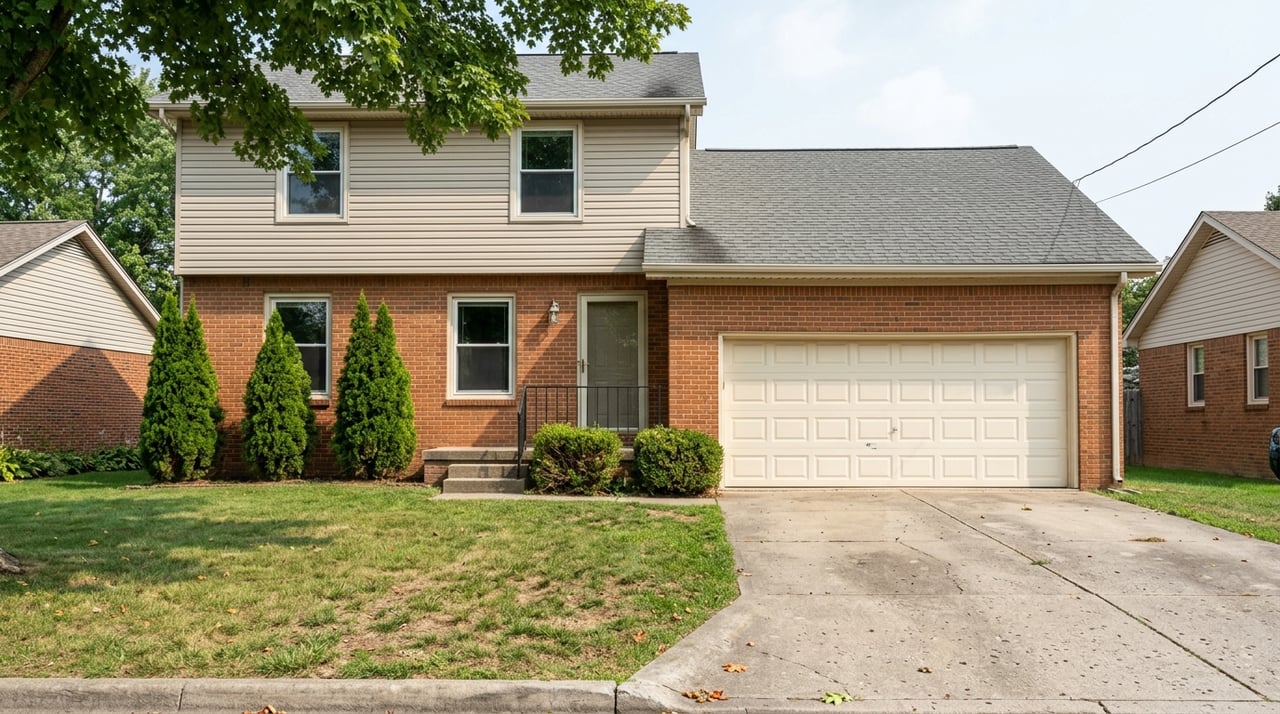
If you are looking for a bargain-basement flip in Farmington Hills, you may need to reset your expectations. This is not a market full of obvious distress, steep discounts, or endless fixer-upper inventory. What it does offer is a steadier kind of investor opportunity: older homes, dated interiors, select condos, and value-add properties where careful numbers and smart updates matter. If you want to understand where the real opportunities are and how to evaluate them, let’s dive in.
Why Farmington Hills Stands Out
Farmington Hills is a stable suburban market with a strong owner-occupant base. Census data shows a 2024 population of 84,173, an owner-occupied housing rate of 64.7%, median household income of $104,836, and 88.8% of residents living in the same home one year earlier.
That matters if you are an investor. In a market with lower turnover and more long-term residents, the best deals often come from careful property selection rather than chasing distress. You are usually looking for homes with cosmetic issues, outdated layouts, or deferred maintenance, not widespread foreclosure-style inventory.
What the Market Looks Like Now
As of early spring 2026, Zillow reports a typical home value of $387,308 in Farmington Hills. Median sale price sits at $345,000, with a median list price of $359,750 and homes going pending in about 20 days.
Redfin shows a similar median sale price of $345,000, and most homes are selling in about 22 days. That kind of pricing and pace suggests a fairly efficient market where deep discounts are not consistently available. In other words, if your strategy depends on buying far below market value, Farmington Hills may feel tight.
Are True Fixer-Uppers Easy to Find?
Not really. Realtor.com currently shows only two homes in its Farmington Hills fixer-upper search, and the example highlighted there is already pending.
That tells you something important. In this market, the investor story is less about grabbing obvious fixer-uppers in bulk and more about identifying the right property before everyone else sees the same upside. The edge comes from being prepared, moving quickly, and knowing which flaws are actually fixable at a reasonable cost.
Where Lower Entry Points Show Up
If you are trying to buy below the citywide median, the sub-$250,000 segment is where you will likely spend most of your time. Redfin currently shows 42 homes in that range, including older detached houses and condo-style properties.
Some examples include detached homes built in 1949 and 1928, along with condos priced at $249,999, $105,000, and $79,900. That means lower entry points do exist, but they often come with tradeoffs like age, size, property type, or monthly HOA costs.
What Makes a Farmington Hills Deal Work
In Farmington Hills, the most realistic value-add play is often a dated property rather than a severely damaged one. You may find opportunity in kitchens and baths that need updating, floor plans that need better flow, or homes that need curb appeal and mechanical planning.
This matters because not every low-priced listing is low because it is broken. Some are simply smaller, older, or part of a condo association. That is why your underwriting needs to focus on the actual improvement path, not just the asking price.
Stronger Value-Add Angles
The highest-probability strategies in this market often include:
- Cosmetic updates such as paint, flooring, lighting, and fixture replacement
- Functional improvements like opening living spaces or improving storage and layout flow
- Exterior improvements that boost curb appeal without overbuilding for the area
- Condo repositioning only after reviewing HOA costs and rental rules
- Light rehab on older starter homes where updates can improve resale appeal or rental competitiveness
Flip or Hold in Farmington Hills?
This is where disciplined math becomes critical. Zillow Rental Manager shows 78 available rentals in Farmington Hills, with an average rent of $1,739 and a range from $899 to $6,300.
Bedroom-specific rental averages are also useful. Zillow reports about $1,210 for one-bedroom units, $1,600 for two-bedroom units, and $2,287 for three-bedroom units, while Census QuickFacts reports a median gross rent of $1,551. Since these figures vary, you should test rents against more than one source before making a decision.
A Simple Yield Screen
A quick gross-yield screen can help you compare a hold strategy with a flip strategy. Using the median sale price of $345,000 and Zillow’s average rent of $1,739, you get a rough gross annual yield of about 6.0% before expenses.
If you use Zillow’s three-bedroom average rent of $2,287, the rough gross annual yield moves closer to 8.0% before expenses. That does not replace a full cap-rate analysis, but it gives you a fast way to pressure-test whether a rental exit is likely to compete with a flip.
Why Conservative Underwriting Matters Here
Farmington Hills looks more like a stable suburban hold market than a speculative churn market. The city’s owner-occupied rate, higher household income, and low mobility all support the idea of long-term housing demand.
For you as an investor, that means success usually comes from tighter comps, realistic rehab budgets, and modest expectations. A deal can still work well, but it usually works because you bought smart and executed cleanly, not because the market handed you an obvious steal.
Local Rules Investors Should Plan For
Before you assume a property can move straight from rehab to rental, make sure you understand the city’s requirements. Farmington Hills requires single-family rentals to be registered and inspected through its rental inspection program.
According to the city, those properties are inspected once every three years. The inspections focus on items such as exterior conditions, fire safety and egress, structural issues, electrical concerns, health conditions, insect and rodent problems, sanitation, and trash accumulation.
Permit Timing Can Affect Your Rehab
Farmington Hills also notes that common repairs often require permits. That includes roofing, siding, window replacement, furnaces, air conditioners, and sump pumps.
For investors, this means your rehab timeline should include permit processing, inspection scheduling, and the possibility of re-inspections. If you skip that planning step, your carrying costs can rise quickly.
Watch Condo and HOA Numbers Closely
Condos may offer some of the lowest entry prices in Farmington Hills, but you need to read the fine print. One current sub-$250,000 condo example carries a $442 monthly HOA.
That kind of monthly cost can change your deal fast. Before you buy a condo as a flip or rental, compare HOA dues, association restrictions, reserve health, and likely buyer or renter demand at resale.
Do Not Assume Small Multifamily Use
If you are considering a duplex or small multifamily angle, verify zoning on the exact parcel before you move forward. Farmington Hills has multiple one-family residential districts and separate multiple-family districts, and the city notes that district rules, location, and specialized definitions can affect what is allowed.
The practical takeaway is simple: never assume unit count or use based on appearance alone. Parcel-by-parcel verification is part of proper due diligence in this market.
A Smart Investor Strategy for Farmington Hills
If you want to invest in Farmington Hills, your best approach is usually simple and disciplined. Focus on older starter homes, dated single-family properties, and select condos where the numbers still work after you factor in permits, inspections, HOA costs, and realistic resale or rent projections.
This is a market where repeatable investor wins often come from patience and process. If you can identify manageable improvements, use conservative rent assumptions, and move decisively on the right opportunity, Farmington Hills can offer solid value-add potential.
If you want help evaluating a Farmington Hills fixer-upper, comparing exit strategies, or narrowing down value-add inventory, Andrea Yakobe can help you move quickly with a practical, process-driven plan.
FAQs
Are fixer-upper homes common in Farmington Hills?
- No. Current search data shows very limited explicitly tagged fixer-upper inventory, so most opportunities come from older or dated homes rather than abundant distress listings.
What are the lowest entry points for Farmington Hills investors?
- The lower entry points are generally in the sub-$250,000 segment, especially older starter homes and condos.
Can you rent out a single-family home in Farmington Hills after rehab?
- Yes, but the property must be registered as a single-family rental and go through the city’s inspection program.
Should you buy a condo as an investment in Farmington Hills?
- Possibly, but only after reviewing HOA dues, rental restrictions, reserve health, and how those costs affect your exit strategy.
Can you assume a property in Farmington Hills can be used as a duplex or small multifamily?
- No. You should verify zoning on the specific parcel before assuming any multifamily use or unit count.
Is Farmington Hills better for flipping or holding rental property?
- It depends on the numbers, but the market’s stability and modest discounting make conservative underwriting essential for either strategy.